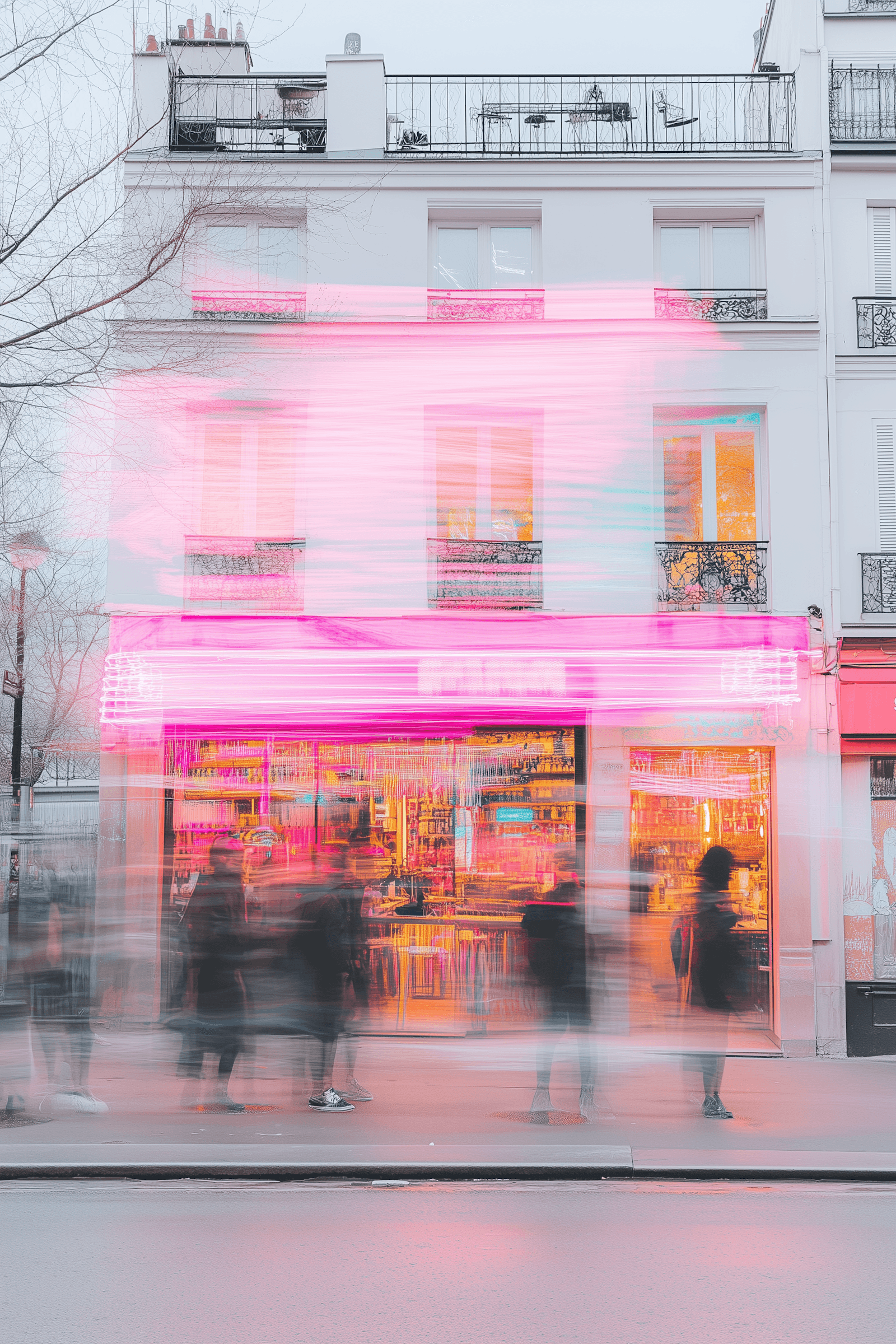
THESE FIELD NOTES ARE PART OF MY FUTURES EXPLORATION WORK. THEY FOCUS ON EARLY SIGNALS IN CITIES, CULTURE, AND EVERYDAY SYSTEMS BEFORE THEY SETTLE INTO TRENDS, STRATEGIES, OR DECISIONS.
THIS WORK OFTEN FORMS THE STARTING POINT FOR FUTURES STRATEGY AND FUTURES EXPERIENCES, SUPPORTING ORGANISATIONS AS THEY NAVIGATE UNCERTAINTY, DIRECTION, AND LONG-TERM CHOICE.
Many of these signals are already shaping everyday choices, even if they are not yet discussed as trends or strategies.
London, once my hometown, offers a familiar place from which to observe what has changed. Big cities often reveal shifts before they are fully articulated. They concentrate behaviours, tensions, and experiments into shared space, making certain changes visible earlier than data or strategy documents do.
Street-level observation is one way of working with these early signals. Moving through a city without a fixed brief keeps attention open. What comes into view is shaped by routes taken, moments of attention, and chance encounters.
Spatial Storytelling in the City
How places use time and storytelling to create meaning.
In many cities, physical space is under pressure. Footfall is uneven, tourism has intensified, centres are thinning out, and places increasingly compete for attention. In this environment, space alone is no longer enough. What places now compete with is time and meaning.
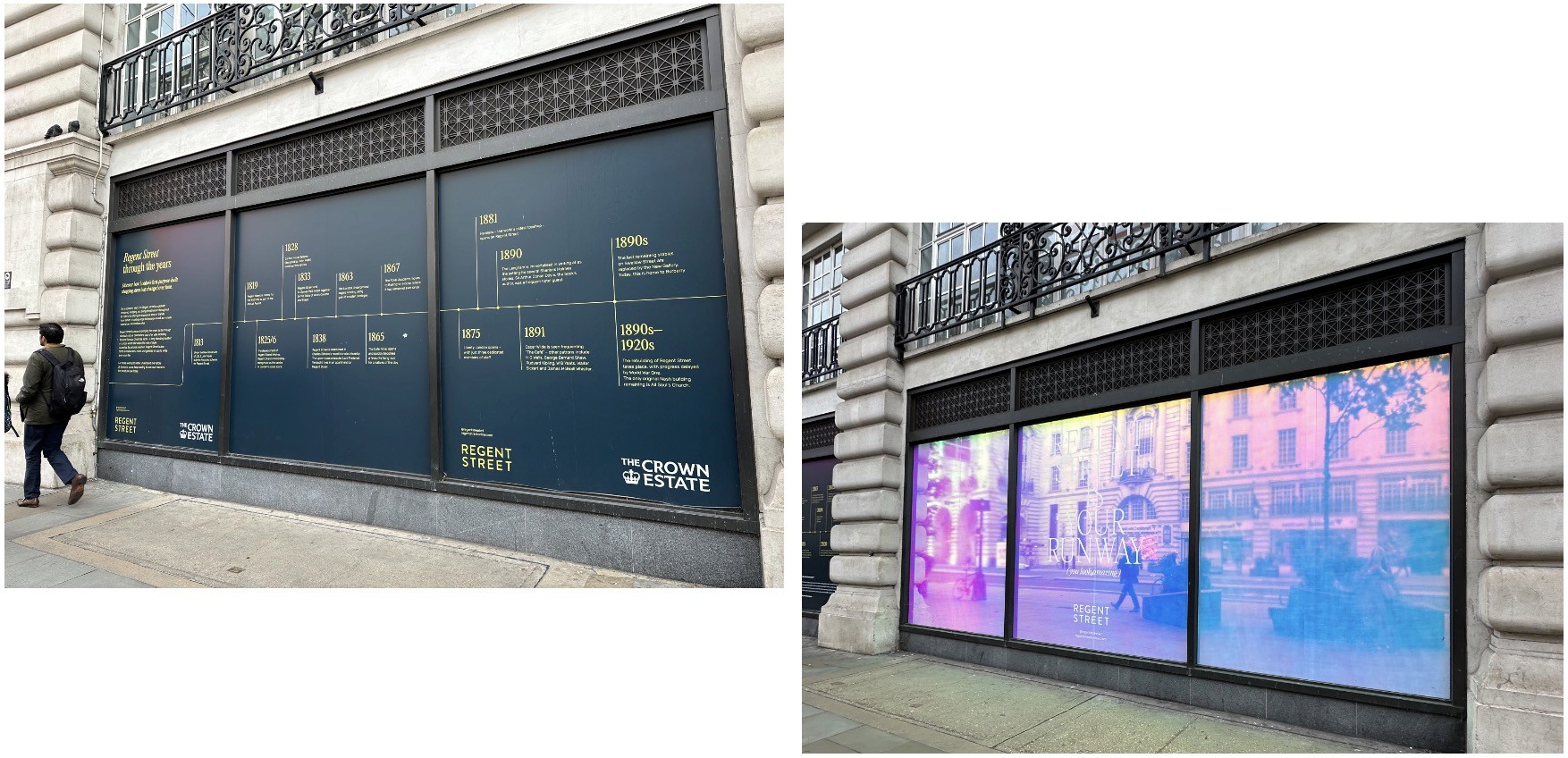
To remain relevant, places are increasingly anchored to a longer temporal frame. They are positioned as part of a past that gives context and a future that suggests continuity. Meaning is created by situating a place within a story that extends beyond the present moment.
In London, this was visible in how spaces described themselves. Storefronts did not simply communicate what was inside, but who had been there before and what might come next. Windows referenced earlier identities, hinted at future uses, or framed the site as part of an unfolding local narrative. History appeared not as nostalgia, but as grounding.
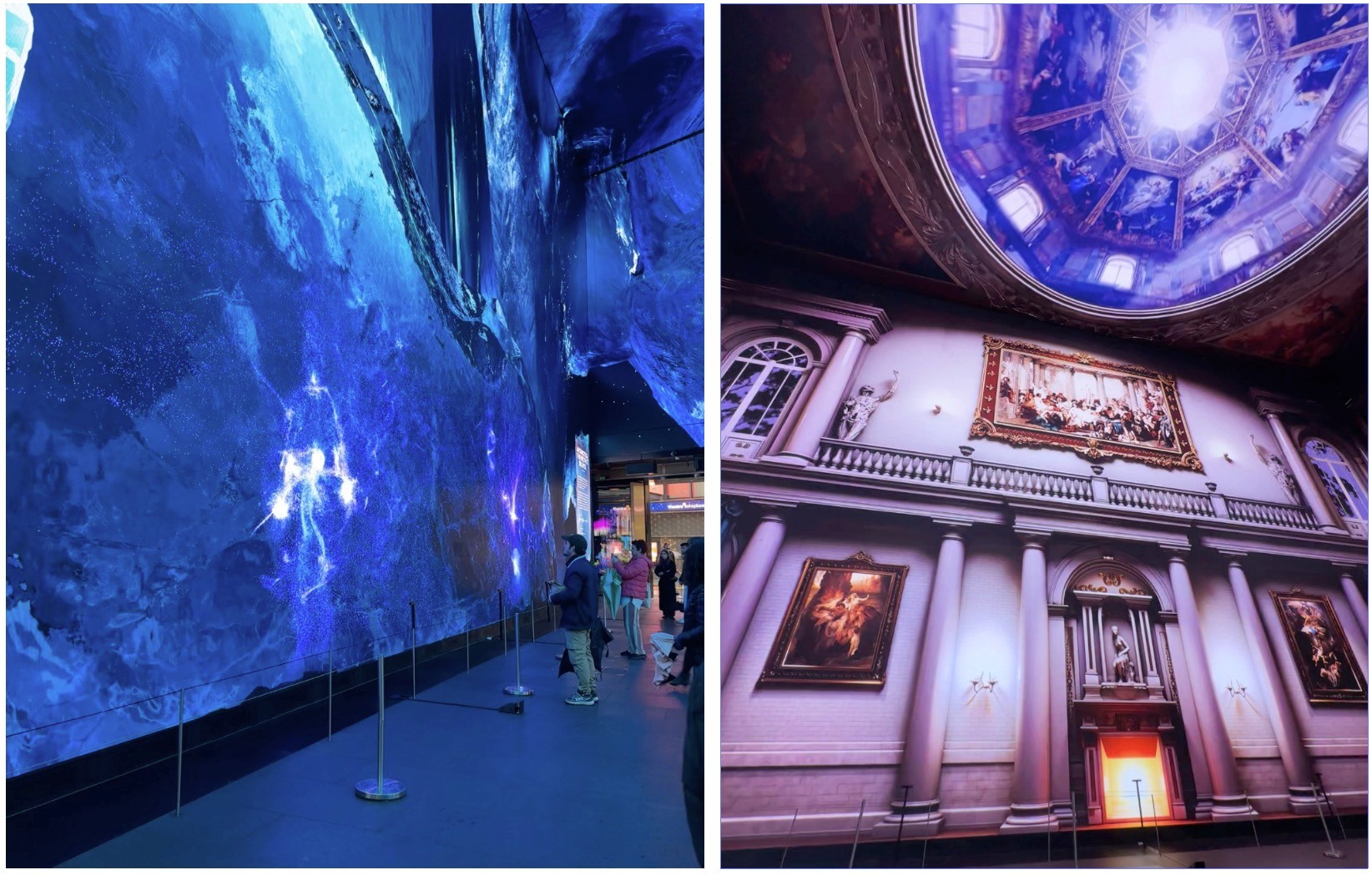
At a larger scale, a different expression of storytelling appeared on Tottenham Court Road. Large digital screens formed shared focal points in the street. Unlike Piccadilly Circus, which functions primarily as advertising, these screens suggested coherence rather than interruption. They contributed to a shared atmosphere, without insisting on a single message.
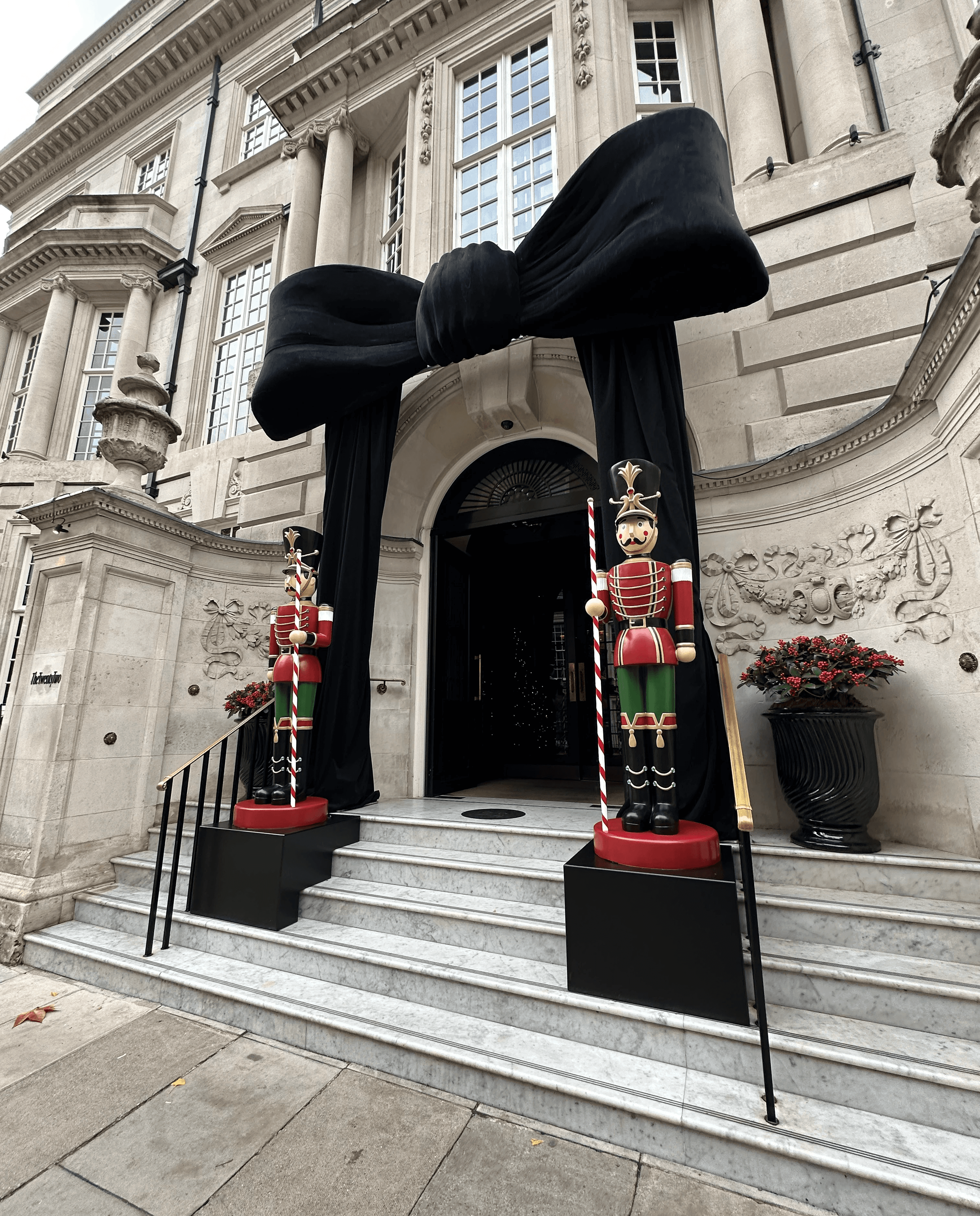
Here, storytelling functioned spatially. Whether through references, continuity, or carefully staged environments, meaning was embedded into place itself. As streets and districts compete for relevance, visibility alone becomes insufficient. What differentiates places is the credibility of the story they offer, and whether it feels worth stepping into.
Fashion as a Cultural Barometer
How fashion reflects mood, influence, and early cultural shifts.
Over the past year, fashion has appeared repeatedly in major museums and institutions, not as seasonal commentary but as a way to approach broader cultural questions through a form that is already widely understood. London felt part of this wider pattern rather than an exception.
The Marie Antoinette exhibition at the V&A framed fashion through influence and perception rather than garments alone. It traced how an image, once formed, continues to circulate across time. The exhibition was constructed as a carefully curated whole, where space, sound, scent, and atmosphere guided how the story unfolded. Fashion became a way to think about how appearance shapes power, memory, and cultural imagination.
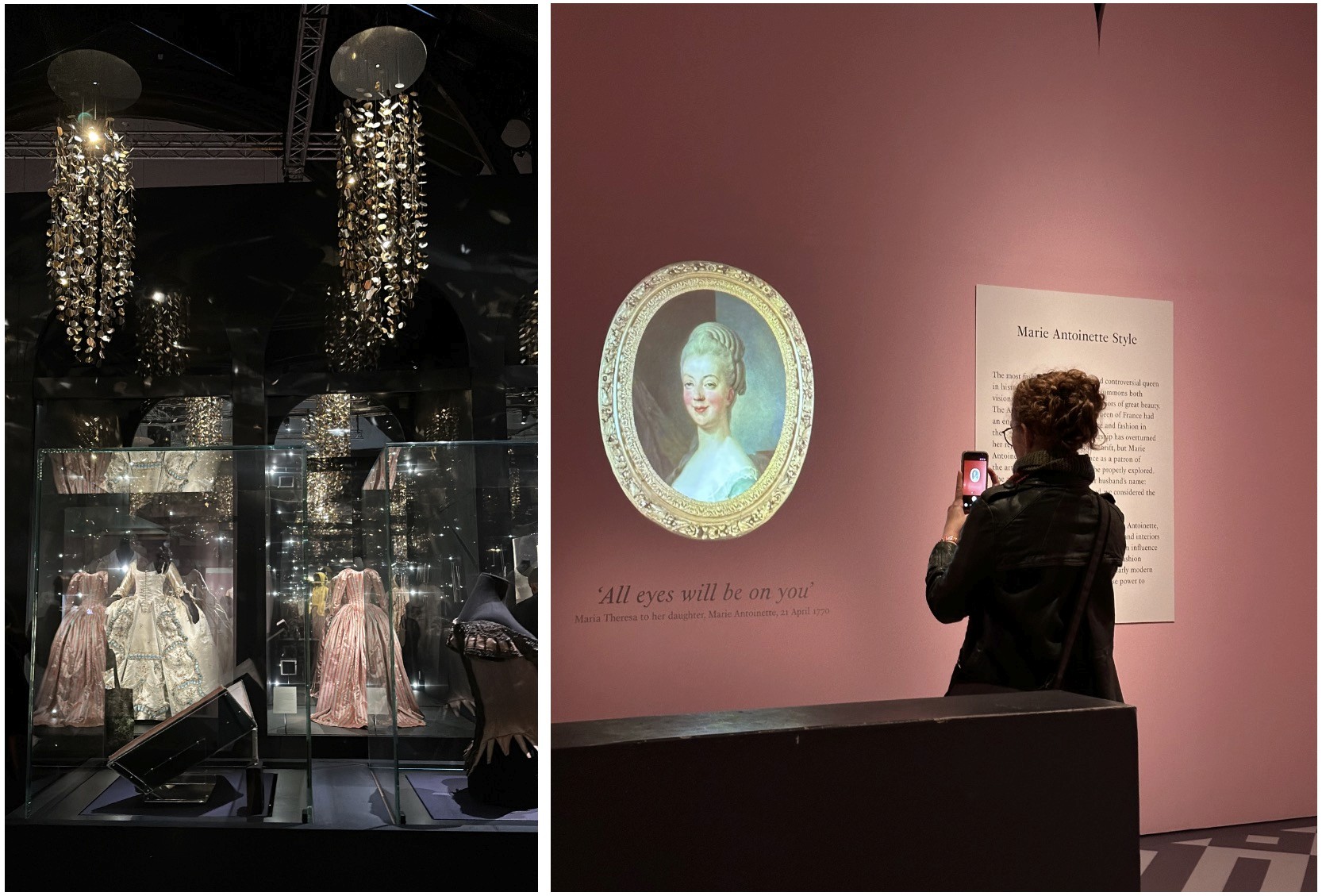
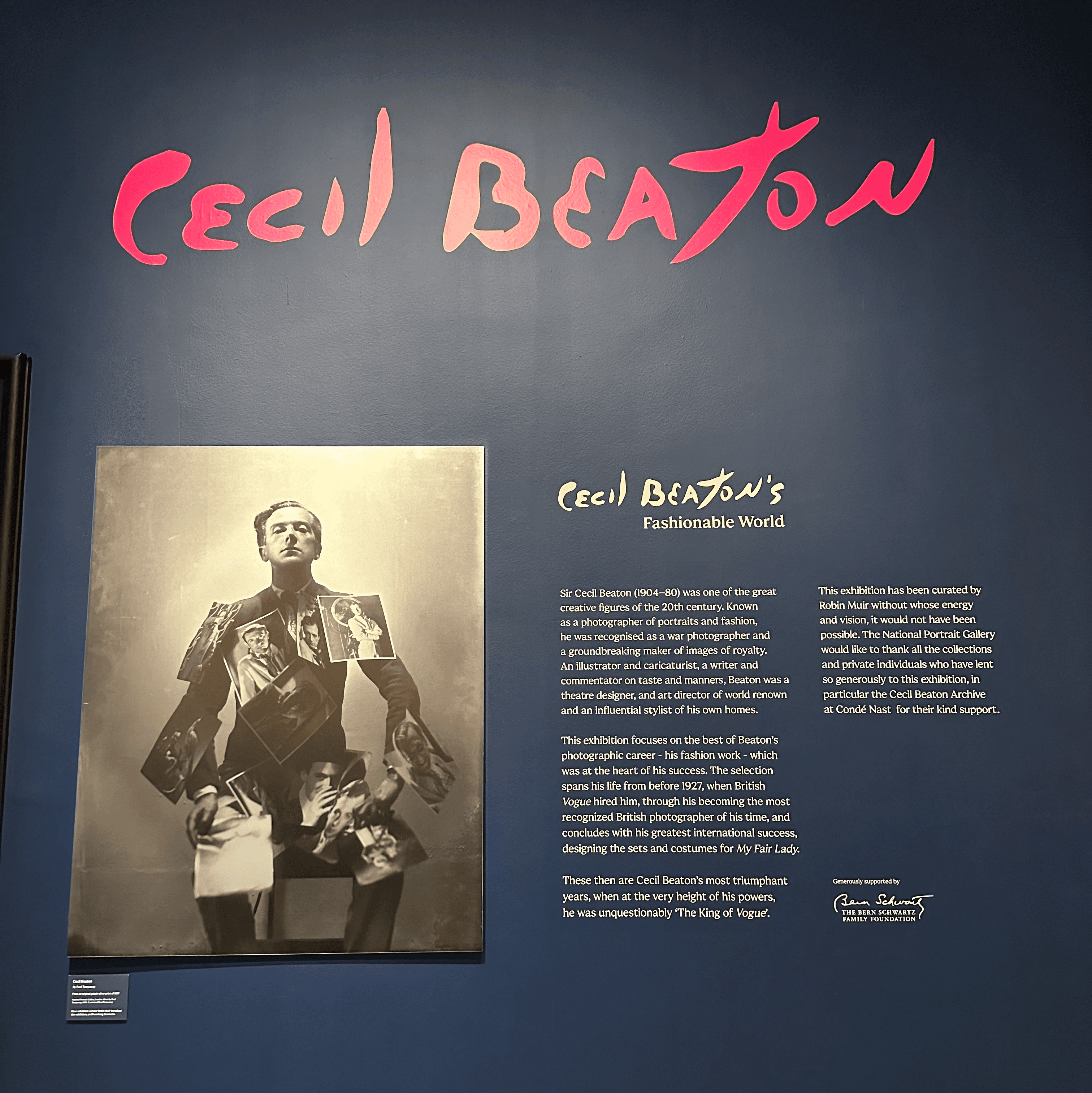
The Cecil Beaton exhibition at the National Portrait Gallery approached similar territory from another angle. More traditional in format, it centred on the act of seeing. Beaton did not merely document fashion, he shaped it through his gaze. His work revealed how femininity, identity, and style were constructed and remembered through image, reinforcing fashion’s closeness to perception rather than objecthood.
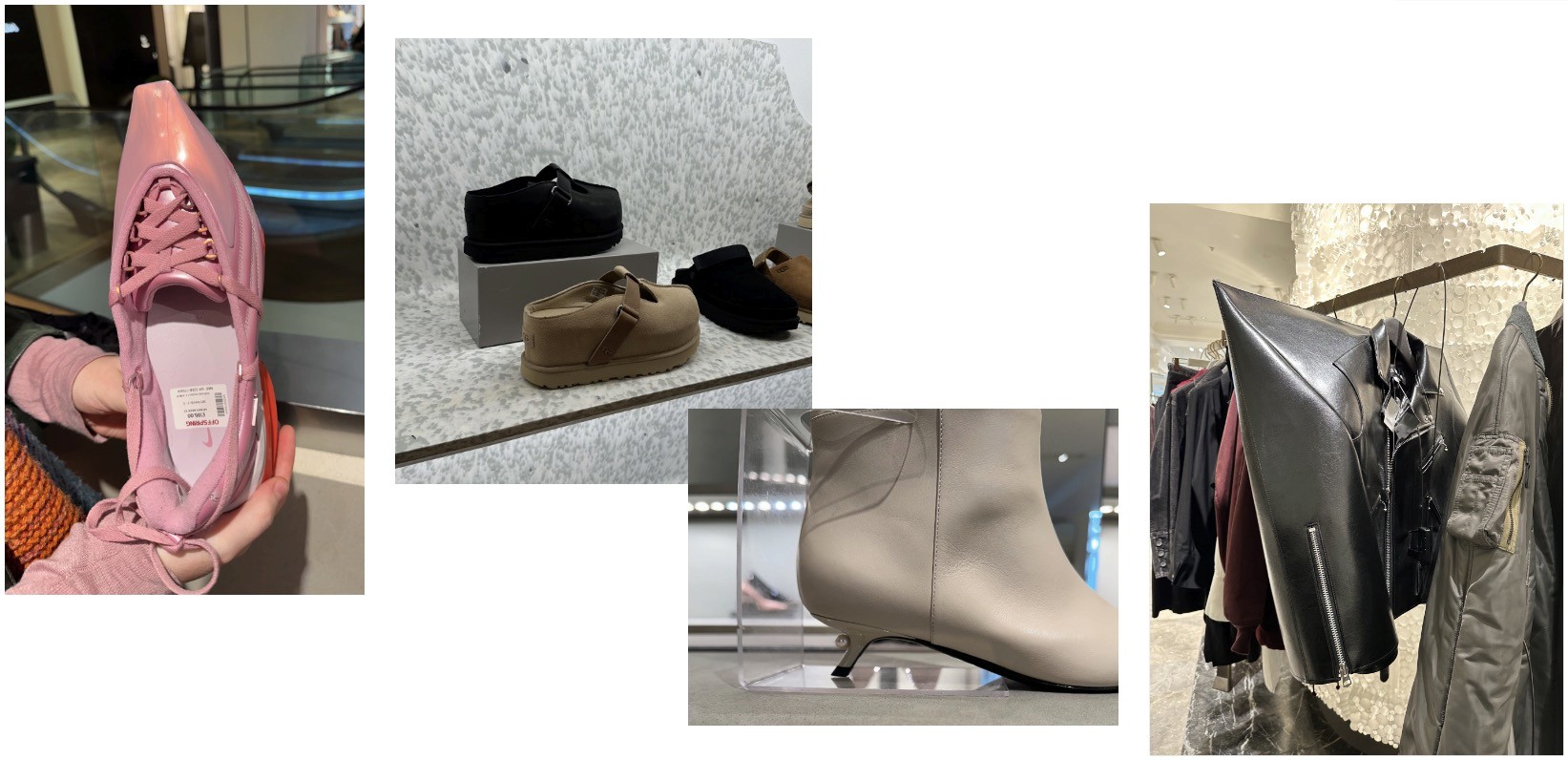
Outside museum contexts, certain silhouettes stood out precisely because they diverged from the mainstream. A sharply pointed leather jacket, trainers with elongated angular toes, very minimal kitten heels, and shoes with unusually thick soles disrupted familiar proportions. These details drew attention not by rejecting style, but by stretching its familiar boundaries, and raising questions about how such forms might be worn, interpreted, or taken up over time.
Fashion, like art, has long moved in dialogue with time. It draws from history, absorbs the present, and gestures towards what might come next. As a result, it often registers shifts in atmosphere before they settle into language or consensus. In this way, fashion becomes a place where past, present, and possible futures briefly meet, offering cues for how the moment is being shaped.
Futures Moving into Everyday Environments
When the future becomes an ordinary choice.
On London’s high streets, technologies long discussed as futures appeared as everyday objects. Not behind screens or demonstrations, but embedded in ordinary retail environments, positioned simply as things to use.
A drone shop sat among everyday retailers, presenting drones as accessible consumer products associated with convenience and personal use. At the same time, these objects carried other associations shaped by news and global events. The technology remained the same, but its emotional framing shifted depending on context.
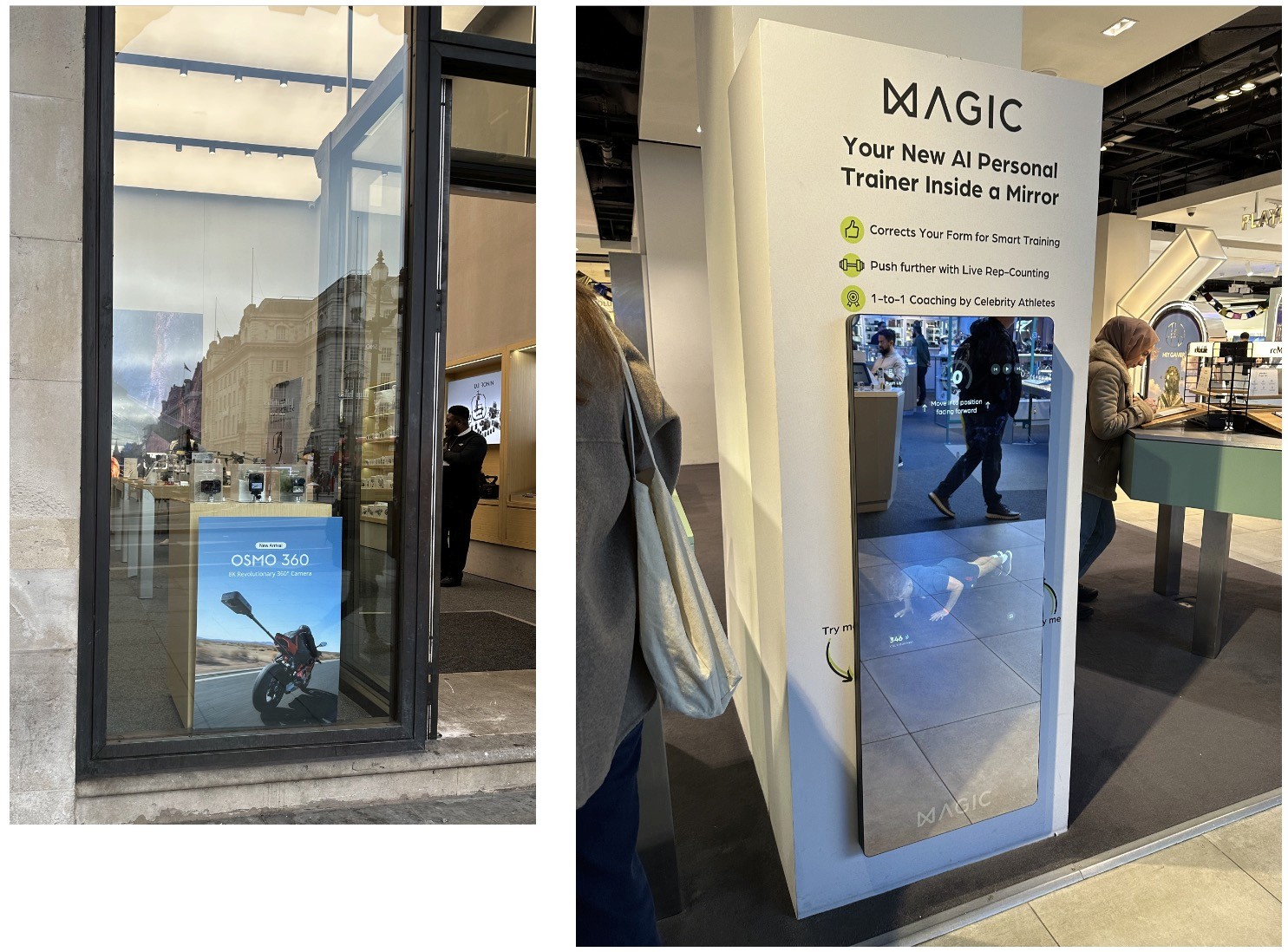
In department stores, AR glasses were placed alongside other electronics rather than framed through style or identity. AI-assisted personal trainers appeared in practical use rather than promotional material. Health-related technologies focused on small interventions such as sleep masks, shower filters, and devices designed to support daily routines.
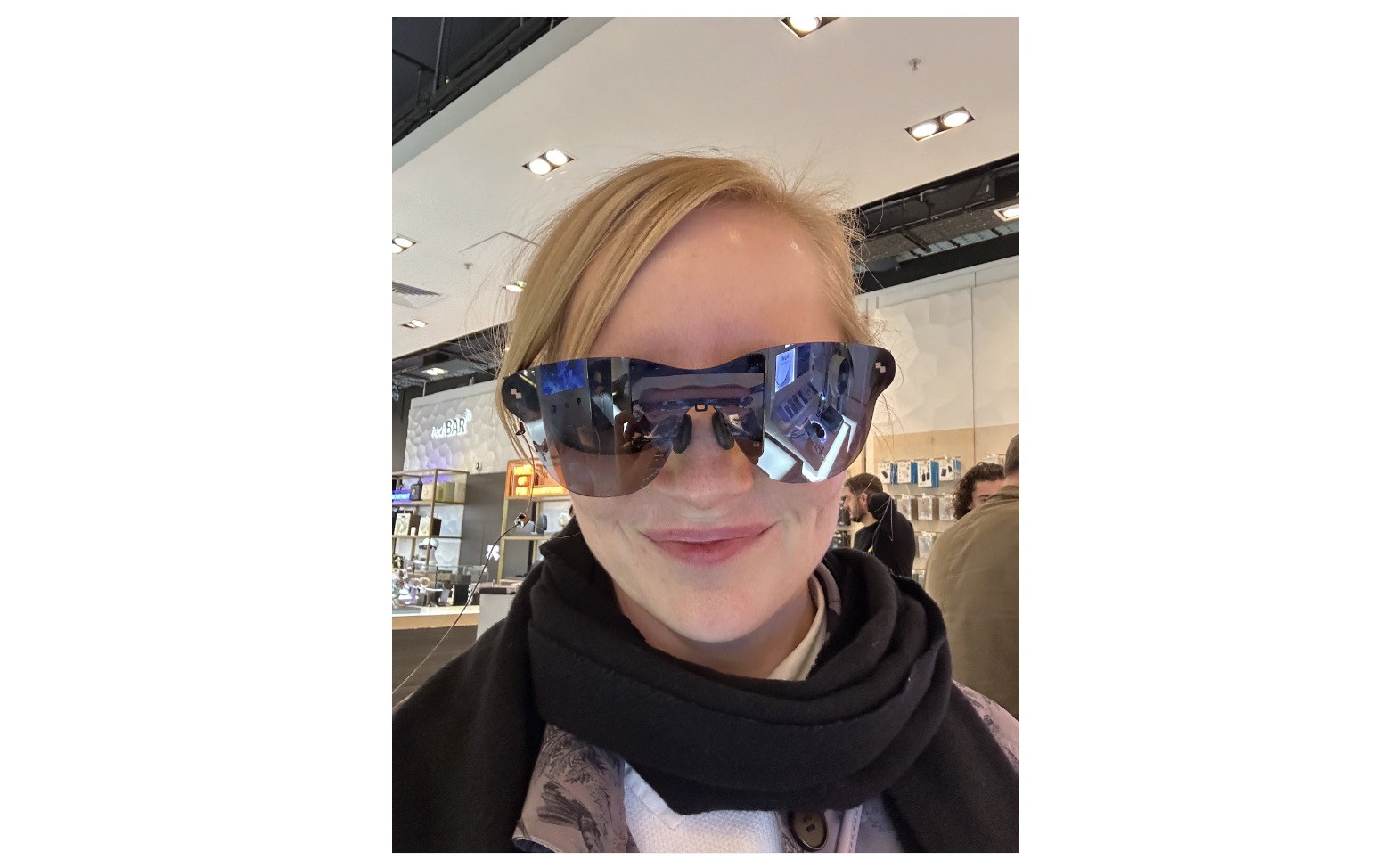
Here, the future no longer announced itself. Technologies appeared not as visions, but as choices. What stood out was not novelty, but normalisation. As these tools move quietly into everyday settings, the categories around them begin to blur. What counts as technology, wellbeing, lifestyle, or utility becomes less clear, leaving open questions about how we will organise, interpret, and live with these systems as they become part of the background.
Everyday Systems of Care
Wellbeing sustained through routine rather than optimisation.
London’s food culture is rich and diverse, but what stood out while moving through the city were its ordinary, repeatable moments. Care appeared less as a statement and more as something built into daily routines.
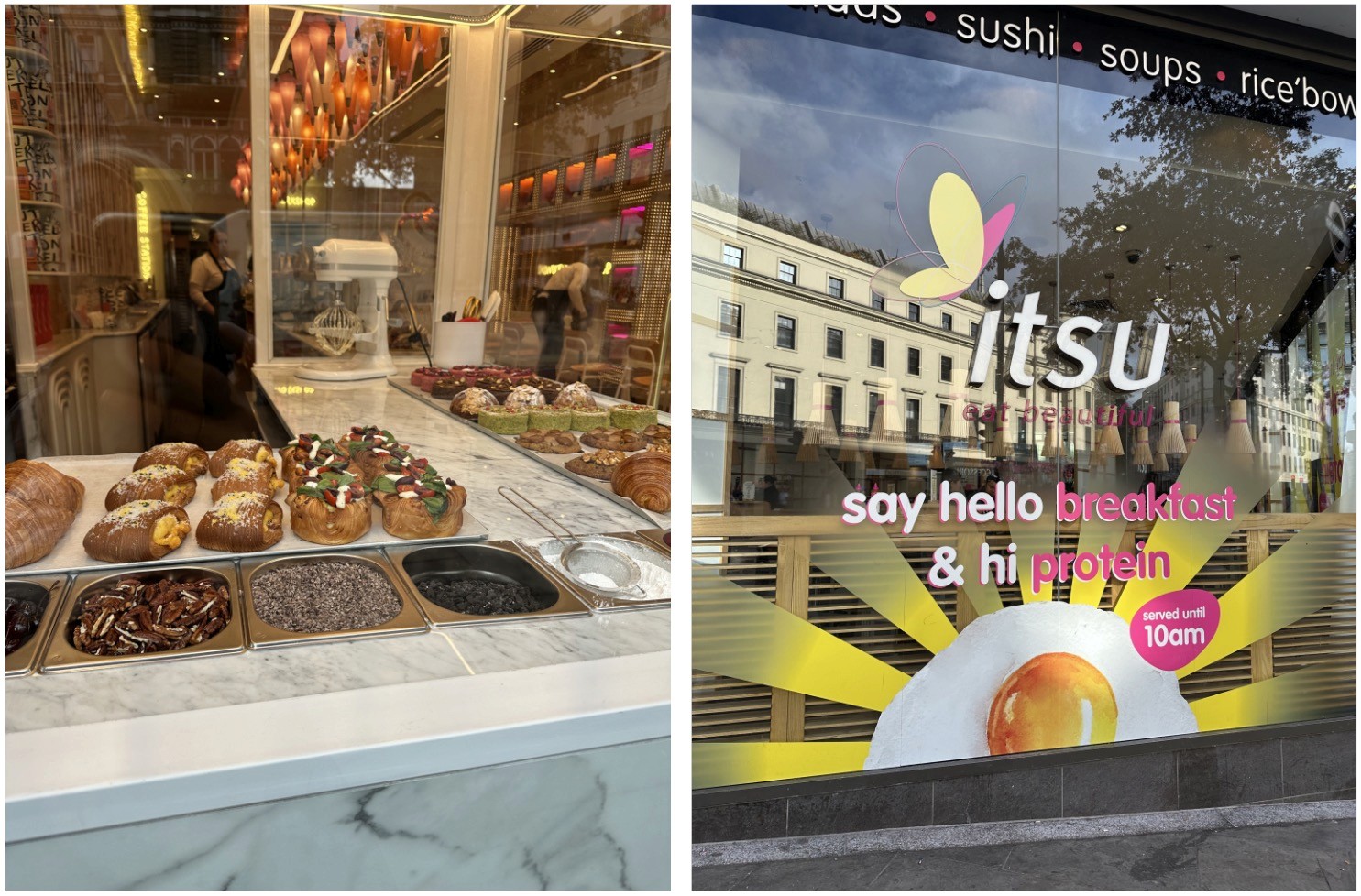
During lunch hours, casual Asian restaurants were busy, often with long queues. The food was quick, but positioned as everyday nourishment rather than traditional fast food. Protein-rich options, porridge, and functional ingredients appeared frequently, treated as familiar rather than exceptional.
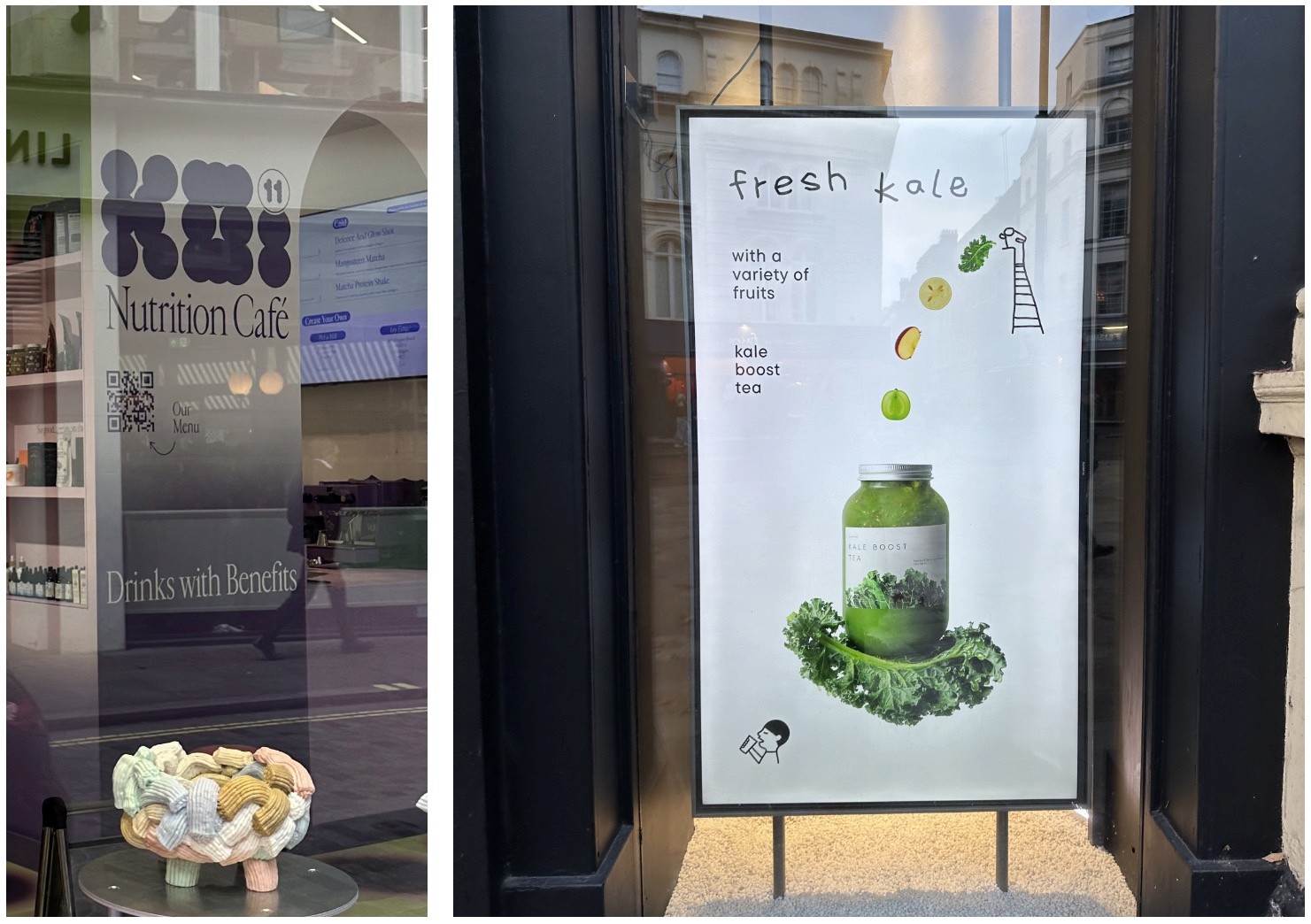
Bakeries were part of this everyday scenery. Wheat and softness were everywhere. At Donutelier, the space looked more like a jewellery shop than a bakery. Donuts were displayed carefully and individually. People were also invited to customise their own donut, choosing toppings and finishes.
Health and wellbeing surfaced through small, practical signals rather than dedicated spaces. ZOE was one such example. Its personalised nutrition model is largely built around home-based measurement, yet some elements had moved into everyday retail through products like kefir drinks. Seen in a familiar grocery context, the system felt less like a programme to follow and more like something that could sit quietly alongside ordinary eating habits.
Indulgence remained present alongside nourishment. Bakeries and cafés balanced functional offerings with comfort and pleasure. At places like Gail’s, porridge sat next to pastries as part of the same breakfast rhythm. At Donutelier, donuts were presented almost as luxury objects, carefully displayed and customisable. Indulgence appeared not as excess, but as a considered pause within the everyday.
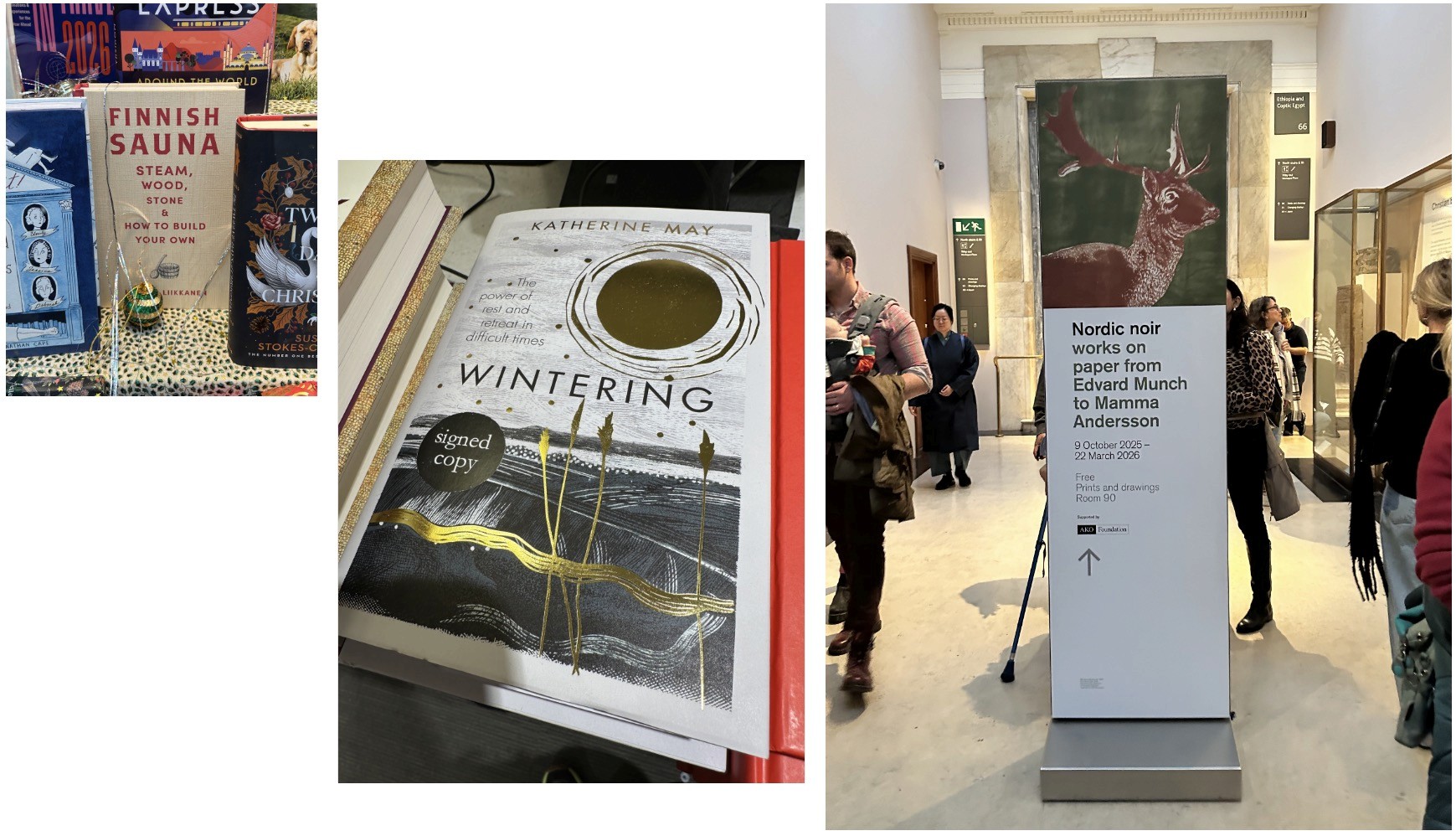
Within this balance, Nordic references surfaced gradually. Sauna culture, cold exposure, and wintering appeared in conversation and everyday contexts, while Nordic noir surfaced through a museum exhibition. Encountered outside their place of origin, these familiar ideas took on new meanings. Seeing them through another culture’s lens made them feel both recognisable and slightly altered, prompting reflection on how such practices travel, adapt, and invite different forms of care. Here, care was framed not as optimisation, but as something sustained over time.
From Observation to Application
Although these observations are drawn from London, the method behind them is not place-specific. The same way of reading early signals can be applied to organisations, industries, and everyday systems where change is beginning to surface but has not yet settled into strategy or language. What matters is not the city itself, but what becomes visible when attention is directed to how people move, choose, and adapt.
Reading Early Signals
These field notes are not conclusions. They sit in a space where meaning is still forming and where questions matter more than answers. This is where my futures work begins: by surfacing and examining early signals before decisions are made.
From there, the work can move into futures strategy, where observations are translated into direction and choice, or into futures experiences, where possible futures are made tangible through scenarios, environments, and shared moments. The same approach can be shaped around different contexts, challenges, and ambitions, beyond London.
If you would like to explore what these signals might mean in your own context, we can continue the conversation.